
Exodus 17:1–7; Psalm 95; Romans 5:1–11; John 4:5–42
It’s been nearly two thousand years since the crucifixion of Jesus Christ, fifty-eight years since the assassination of Rev. Dr. Martin Luther King Jr., and eleven years since the murder of Michael Brown Jr. Though centuries separate these tragedies, the injustices that caused them persist. We live amid a moral and systemic bankruptcy: an indecency that allows individuals and institutions to harm with impunity. These are not isolated failures; they are functions of power structures designed to divide, destroy, and deny community and justice. The attitude is simple: either stand with your people, or perish.
As people of faith and conscience, we are called to resist these forces and build a better world. This activist project, constructing humane communities, is arduous yet holy, demanding yet delightful, challenging yet courageous. When we stand with our people, grounded in faith, power bends toward justice. But to avoid perpetuating these ills, we must deepen our faith and out-organize the opposition.
From Grievance to Policy (Exodus 17:1–7)
Organizing begins with naming the problem and then moving beyond the complaint. In Exodus 17, the Israelites clash with Moses because they are thirsty. Grumbling fills the air – not collaboration, not strategy, and not creative troubleshooting. Moses turns to God, who instructs him to strike a rock; water pours forth. Scarcity gives way to abundance because faith activates courage and action.
For organizers, the lesson is clear: move from grievance to policy, from exasperation to execution. Identify the “rocks” in your community, the unyielding systems that deny life, and apply sustained pressure until change flows. As Rev. Dr. Martin Luther King Jr. said in 1963, “It may be true that the law cannot change the heart, but it can restrain the heartless.” Policy shifts can offer real relief to the vulnerable.
In 2014, after the murder of Michael Brown and the ensuing Ferguson Uprising, we as students and community members named the rocks and agitated for substantive developments. At Saint Louis University, that work contributed to policy commitments like the Clock Tower Accords: steps toward equity and access that helped build infrastructure for justice. The goal is simple and sacred: create a world where no community goes thirsty and every basic need is met.
Guarding Against Burnout (Psalm 95:1–11)
The psalmist sings of God’s greatness and warns, “Do not harden your hearts as at Meribah.” A hardened heart, calcified by cynicism, exhaustion, or despair, can sabotage our witness and our work. Ego precedes devastation. Organizers often edge God out by neglecting rest, nourishment, and care; urgency becomes our only liturgy until the ship implodes. Changemakers must take heed to the saying there’s pride before the fall. The work is pressing, but urgency without sustainability becomes a slow unraveling. Rev. Dr. Martin Luther King Jr. spoke to the “urgency of now” speaking to the seriousness that the present calls for in terms of change. What happens when after days, weeks, months, and years of campaigning, goals are not met? Without a practice of resting fully, eating well, unplugging from work, and self care, the toll is imminent. Organizers must soften their heart through leaning into care ensuring that their spirit is flexible enough to continue movement work.
Self-care is not a luxury item; it is a spiritual discipline and a movement imperative. Rest fully. Eat well. Unplug from the grind. Tend to your mental health. Let your spirit stay flexible enough to keep going without veering into resentment or disillusionment. Trauma leaves marks; burnout steals sight. Guard your soul, so the work doesn’t take more than you can give.
Faith for the Long Haul (Romans 5:1–11)
Paul writes that “suffering produces endurance, and endurance produces character, and character produces hope.” The path from pain to hope is not a shortcut; it is a formation. The fight for justice is not a sprint; it is a marathon. The fire must be in one, not on one. As Detroit hip-hop artist Tee Grizzley emceed: “We built to last.” Movement elders like Mama Jamala Rogers and John Chasnoff reminded us during Ferguson that the work is a marathon, not a sprint. We can be in a hurry, but never a rush. The latter destabilizes our foundation and drains our spirit. When engaging causes dear to the heart, one must marry pain with sustainability toward one’s strategy. Rev. Dr. Martin Luther King Jr. reminds us that the “the arc of the moral universe is long, but it bends toward justice.” There will be trials and tribulations but the time, treasure, and talent invested is not in vain. The fight for justice is long being just as alive tomorrow as it was yesterday and is today. Endurance is not merely gritting our teeth; endurance is a set of structures that keep us going. Character forms as we keep our commitments, even when applause fades and headlines move on. Hope is born when communities witness that we refuse to vacate our cause, even after setbacks. The death, dread, and despair in communities may incentivize one to surrender and abandon the battle of spiritual warfare. Paul encourages us to embrace hardship as it builds stamina which reflects our faith and virtues. Will we cower to the status quo or will we stand tall through sustained protracted resistance? The refusal to vacate one’s cause despite setbacks by way of discipline and persistent struggle creates hope.
Intergenerational Perspective as Power (John 4:5–42)
The fire of youth and wisdom of elders in relation together can lead to transformational shifts in society. Young people in their curiosity and courage offer innocent intellectual range coupled with brave indignation that is requisite for the necessary risk taking natural to movement work. They question the archaic systems and will fight realizing that their future is on the line. Elders have a seasoned record and battle-tested judgment that can serve as a model for navigating ills. These veterans have survived the ebbs and flows of justice work with war scars that can offer a vision helping guide movement praxis grounded in experienced direction. During the Ferguson Uprising, the youth group Tribe X benefited from the tutelage advisors known as “mamas.” These were middle aged career Black mothers with private and non-profit expertise that had a passion for youth with a record for advancing the racial justice movement. While the young people were conducting direct actions, the mentors provided technical assistance. The drafting of the Clock Tower Accords signed by then-President of SLU was coordinated by the mamas.
One can look to the birth of the Student Non-Violent Coordinating Committee by Ella Baker. After the Greensboro Sit-Ins, Baker convinced Rev. Dr. King to provide the $800 in seed money to host a youth conference. This youth gathering matured into SNCC. There’s historical precedent for trusted adults curating spaces for young people to realize their own power to create change.
In John 4:5-42, the Samaritan woman at the well enters a sacred dialogue with Jesus. She challenges Christ by referencing Jacob, her ancestor, and his deeds making the well. Jesus informs her that the well is a bandaid to being thirsty and only through faith in him is there a vehicle to being truly quenched or experience eternal life, echoing the Israelites’ preoccupation with complaining rather than studying the root cause for thirst’s existence. Summoning her ancestral lineage reflects how movements span generations not occurring in a vacuum. As the late great historian Vincent Harding posits, these struggles and their byproducts are a “river.”
The Psalmist in chapter 23 reminds us that God will prepare us a table in the presence of our enemies. In the fight for justice, it’s important that we check our own vices and not fall for the temptation that is the lowest hanging fruit. We must move beyond complaints toward campaigns, burnout to better self care, turn our hardships into hope, and ignore isolation and invoke intergenerational power. As we pour into ourselves and each other during this struggle, guided by faith and a conviction for justice, we can accomplish great feats.
We must stand with our people.
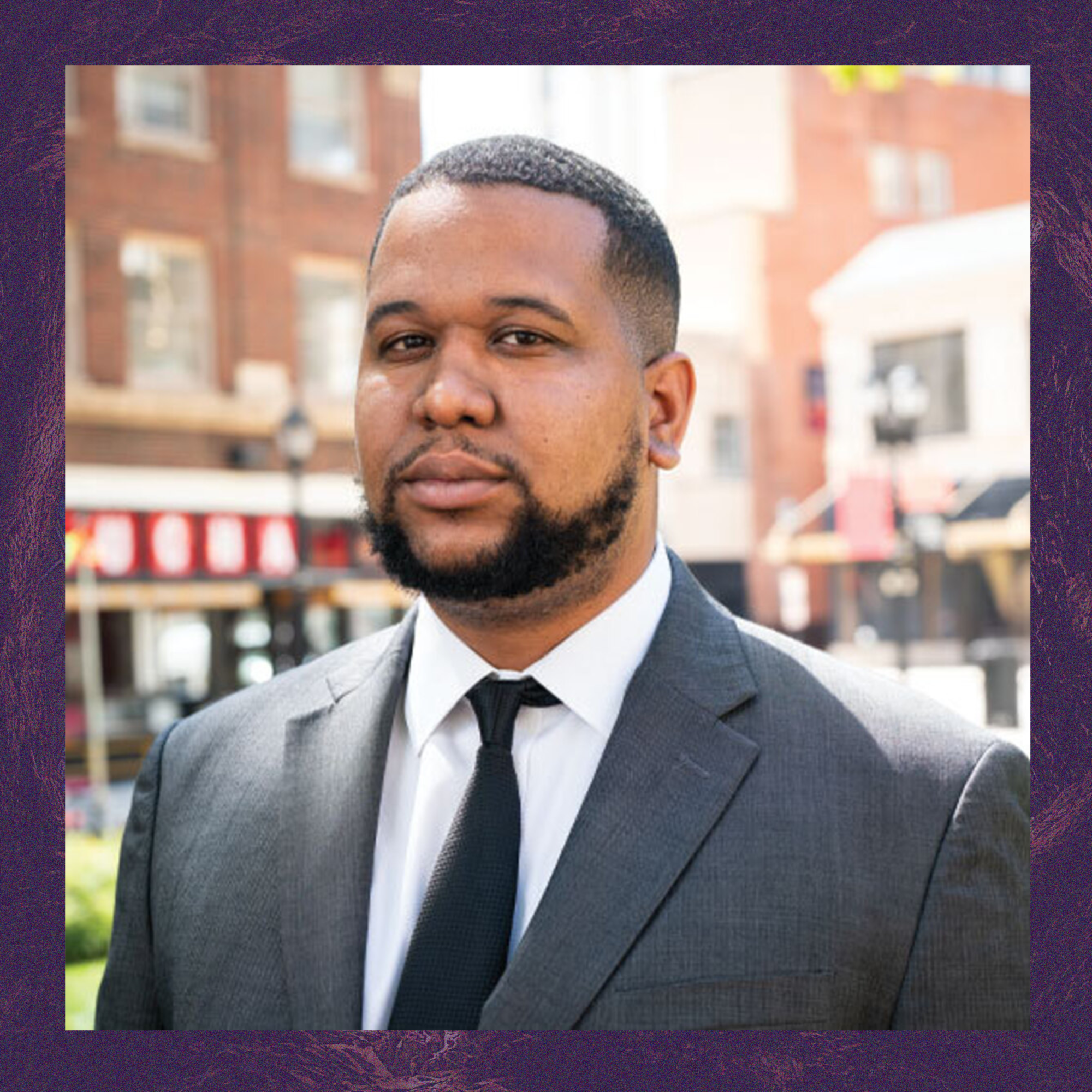
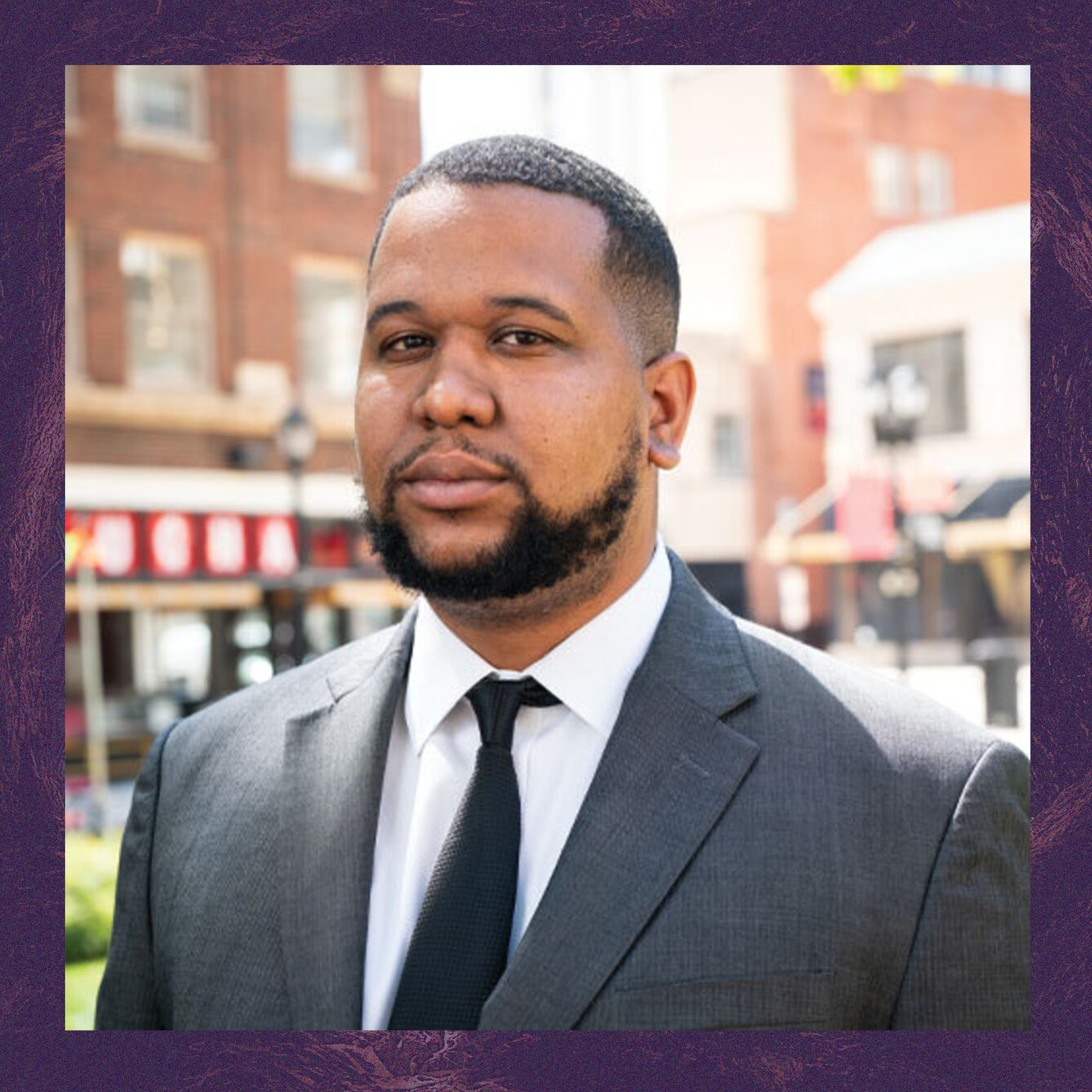
Jonathan Pulphus (he/him) is an equity advocate, organizer, and thought leader from St. Louis, Missouri. A graduate of Saint Louis University in 2017, he received his BA in African American Studies and a minor in Women & Gender Studies. While at SLU, his commitment to service and organizing, including his role as President of the Black Student Alliance and co-founder of Tribe X, led to the signing of the Clock Tower Accords, a significant agreement for campus access and equity. He has been recognized for his work with the St. Louis American Foundation 2025 “Salute to Young Leaders” Award and has recently launched Justice Cultivator in 2024 to provide customized solutions for social justice and anti-racism needs. His published work on student activism and injustice has appeared in The Black Commentator and the St. Louis Post-Dispatch. His debut book, With My People: Life, Justice, and Activism Beyond the University (Sept. 16, 2025), explores the power of student organizing and what it takes to sustain a movement beyond the campus.

Unbound Social