

Terror rushed through my veins. Lights flashed as a red-haired, clown-faced someone poked their head through a dark curtain. I jumped. My heart was beating out of my chest.
And it wasn’t even Halloween.
This was a drag show, and I was about to walk onto a tiny stage in heels for the first time. The stakes were low (it was just a small charity show for a local school), but my anxiety was high.
How would I do? How would this feel? Just minutes later, I found the answer: joyful, free, and just a little more like myself. All because of a sequin dress, some glitter, and a pair of discount heels from Target.
Not everyone is ready for a drag stage—I don’t even know if I was—but thankfully we all have Halloween. For just one day (or maybe a few parties), we have a moment to shed your everyday costumes, try a new “me” on for size, and discover or even reveal a new or hidden part of who we are.
For queer people especially, Halloween can be a holy, sacred, and safe space to break through the boxes and lighten the yoke of the world’s expectations of how we should be and step into the light of who our creative, expansive God has truly made us to be.
The friction and tension around self-expression is part of the lived experience of queer people. The inner need and desire to present our authentic selves in a certain way often comes face-to-face with a laundry list of expectations and norms that our culture deems acceptable—even though, no matter who we are, we “create” ourselves every single day.
For all people, each morning begins with a half-awake look into the mirror and then a checklist of decisions: What will I wear? How will I do my hair? How much makeup? Should I shave?
These are more than daily routines. They are tiny moments of self-expression (or “drag”) that visually proclaim to the world who we are. In fact, for many of us, our days often start with a literal costume: a police uniform, a lab coat, nursing scrubs, or even a robe, a stole, and a collar. Day after day, we all use the power of costume and expression to bring different parts of our identity to life and to become ourselves in the world.
But for many queer people—both youth and adults—these simple decisions often come with fear and even higher rates of depression and anxiety. Rather than free-flowing garments, certain cultural ideals of masculine or feminine expression begin to feel like tight-fitting straitjackets. Shame and “shoulds” start to weave themselves into the universal, everyday task of telling the world the answer to the question: “Who am I?”
That’s why Halloween is a holy gift for queer people—even an opportunity for healing.
During an interview for my “Grace in Glitter” column, D’Arcy Drollinger, the first-ever drag laureate of San Francisco, shared, “One of my biggest cathartic moments with drag was letting myself get in touch with my true feminine. I have become much more interlaced, and I feel like a whole person. My humor got funnier. My presence got stronger.”
What if Halloween could be that cathartic moment?
Or that deep breath of freedom?
Or a chance to finally feel strong?
In one of our faith tradition’s most foundational stories, even Moses grapples with his own identity, confronted by the burning bush of God who calls out “I am” just as he asks himself “Who am I?” In the midst of his fear and apprehension, God reminds him of his own costume: a cloak and a shepherd’s staff. No longer just everyday items, God transforms them into objects of power and healing that mark Moses as chosen to lead God’s people.
Our costumes and clothing can transform us from weak to strong, from afraid to brave, from lost in the noise of our world to grounded in the voice of God.
There is immense power in stepping into the world—even for just a few hours—proclaiming from head to toe that you are exactly how you imagine God created you to be.
I’m reminded of a story from one of our queer saints: the queen of authenticity herself, Dolly Parton. She was having a heart-to-heart with her goddaughter Miley Cyrus, who was feeling afraid to step into a new chapter of her life as an artist and worrying that she wouldn’t be accepted.
“You do you and I’ll do me, and together we’ll be us,” Dolly told her. “But don’t forget about the beauty. The hair, the makeup, the whole show. It’s armor for us.”
This Halloween, may that armor of authenticity—whatever it may look like for you—be yours.
If you are a leader in your church (or beyond), consider creating a Halloween event with your LGBTQ congregants centered around self-expression and offering your community and neighbors a chance to be fully themselves. You might even weave a costume blessing into your liturgy, or simply name, in word or prayer, the gifts of Halloween and the reality of how we are all creating beautiful and unique identities every day.
And if you’re a queer person eager to be seen fully by this world, perhaps this Halloween is your chance to take a brave risk and reveal your true identity on this special day when it’s OK to play. Try on some makeup, a wig, or even some heels. Go full drag if you want! Step outside of your every day, and embody a role or character that feels a little more like you. Or get completely creative and dream up a look that brings to life the beautiful spirit of who you are.
This year—however you celebrate—may all of our costumes and styles of self-expression transform us with the joy of feeling whole and true and fully woven together by the love of Jesus. The Spirit of Christ always draws in all those who feel boxed in by the world and offers them the peace and knowledge that they belong exactly as they are.
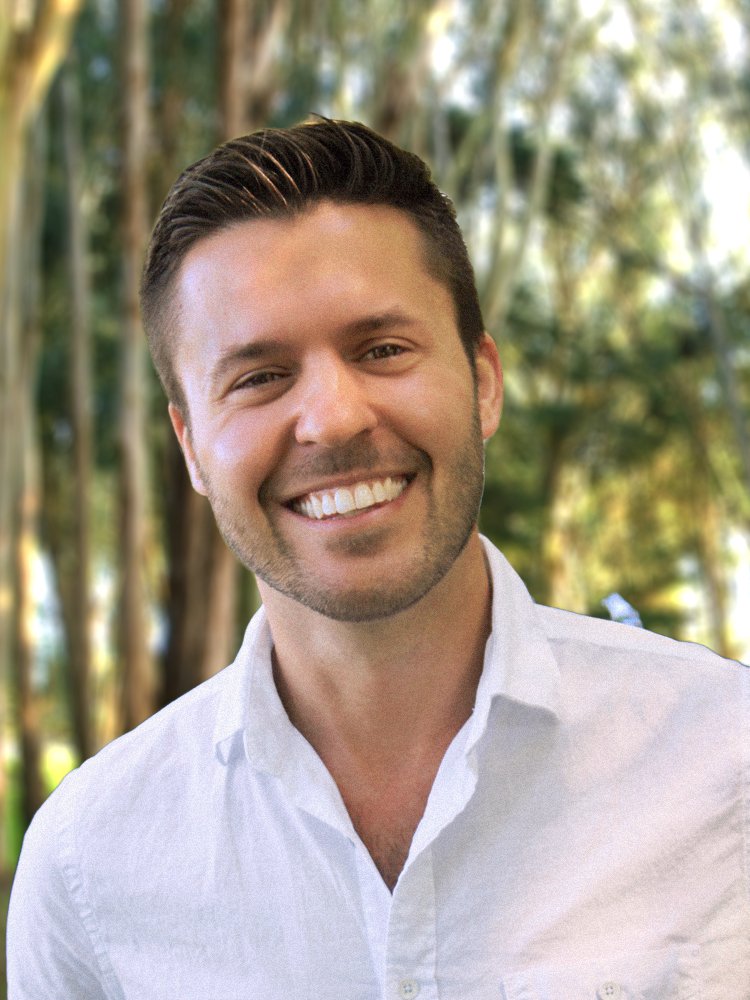
Sam Lundquist is the Associate Pastor at St. John’s Presbyterian Church in San Francisco. He is dedicated to reimagining Christian worship & community and making the city more connected, creative, and caring.

Unbound Social